
Real wood, laid right
Duluth Cedar Shake Roofing
Shakes set with small gaps, breathable layers beneath and air moving under them, so the wood dries between rains and stays flat.
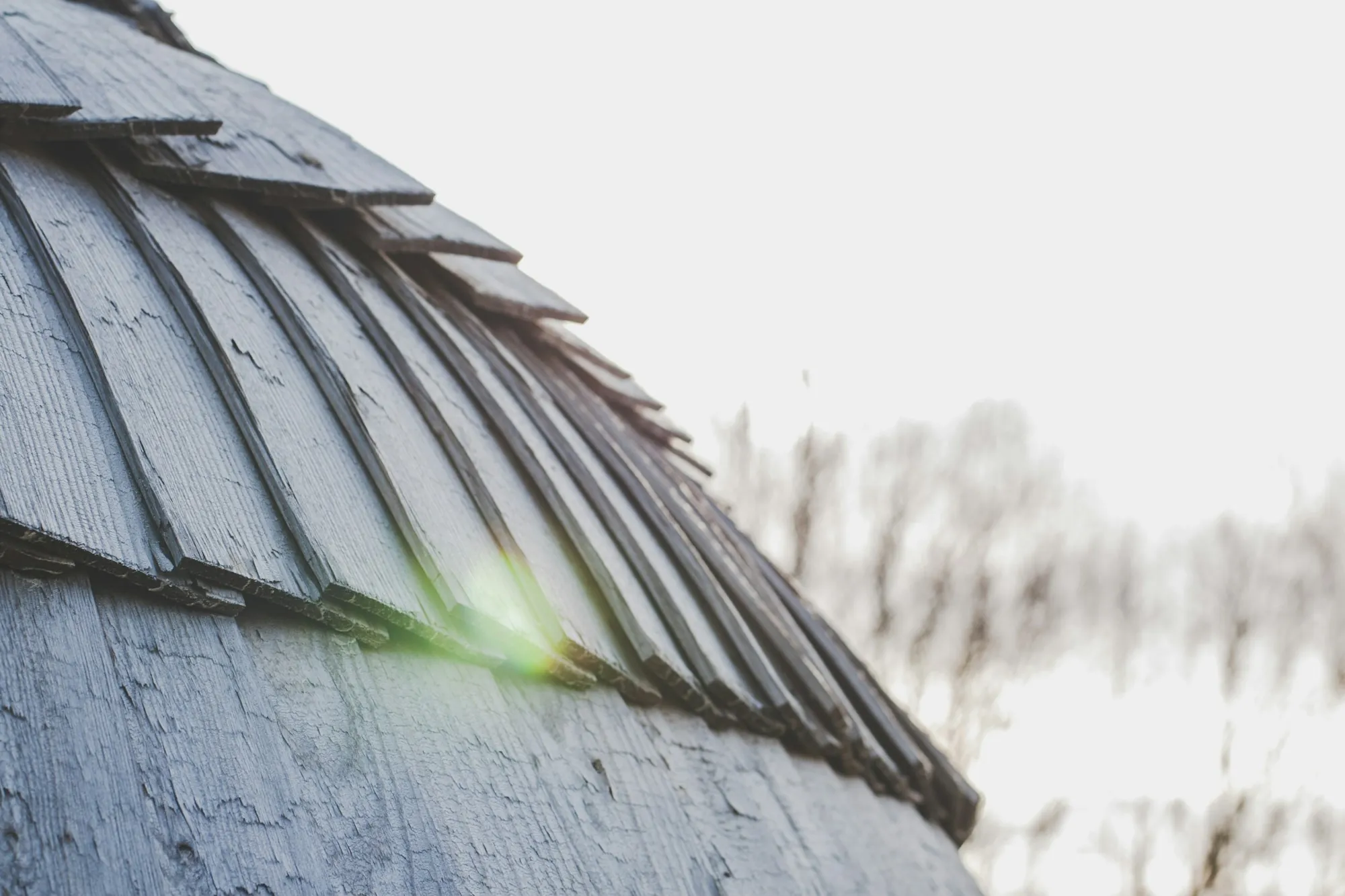
Natural Wood Needs a Careful Hand
A cedar shake roof gives a home a warm, textured look that no manufactured product quite matches, and it weathers to a soft silver gray over time. Wood is a living material, though, and it asks more of the installer than shingles do. Shakes need small gaps between them so they can swell in wet weather without buckling, interlayment or breathable underlayment that lets moisture escape, and good airflow underneath so they can dry out between rains. When those details are skipped, cedar cups, splits and grows moss long before it should. We inspect cedar roofs carefully, noting split or missing shakes, moss and soft spots, worn flashing and areas where the wood stays damp in the shade of nearby trees. Then we explain whether a section can be repaired or whether replacement makes more sense. When we install, every shake is spaced and fastened properly, the flashing is renewed, and the ridge is vented. Working on wood roofs calls for steady footing, so the crew sets up with care, keeps the area below clear and cleans up every split and nail when the work is done.
What Cedar Shake Work Includes
The details that keep a wood roof healthy for the long run.
Detailed inspection
Split, cupped and missing shakes found, along with moss and damp shaded areas.
Repair or replace advice
A straight answer on whether sections can be saved or the roof needs replacing.
Room to move
A small gap left beside each shake, since wet cedar swells and would otherwise buckle.
Breathable layers
Interlayment or underlayment that lets trapped moisture escape.
Airflow
Ridge venting and attic airflow so the wood dries out between rains.
New flashing
Valley and wall flashing renewed so water is directed away from the wood.
Careful cleanup
Splits, shims and nails gathered up and the yard swept at the end.
How a Cedar Project Moves
Inspect the wood
We check the shakes, flashing and attic, photograph problem areas and explain what we found.
Plan the work
You get an itemized quote for repair or replacement and a confirmed start date.
Install and walk
Shakes are installed with proper spacing and airflow, and the crew lead tours the result with you.
Cedar Treated as Cedar
Respect for the material
Spacing, fastening and ventilation follow what natural wood needs, not shortcuts.
Steady crews
Wood roofs can be slick, so footing and setup are handled with extra care.
Honest options
If shingles or metal would serve you better, we explain why before you decide.
- Shakes spaced properly
- Breathable underlayment
- Ridge venting
- Yard swept clean
Is Your Cedar Roof Showing Its Age?
Split shakes, moss and damp spots are signs worth a closer look. A free inspection will show you where the roof stands.